tutorial
Critical PHP RCE Vulnerabilities (CVE-2026-109618 & CVE-2026-109619): What To Do Right Now
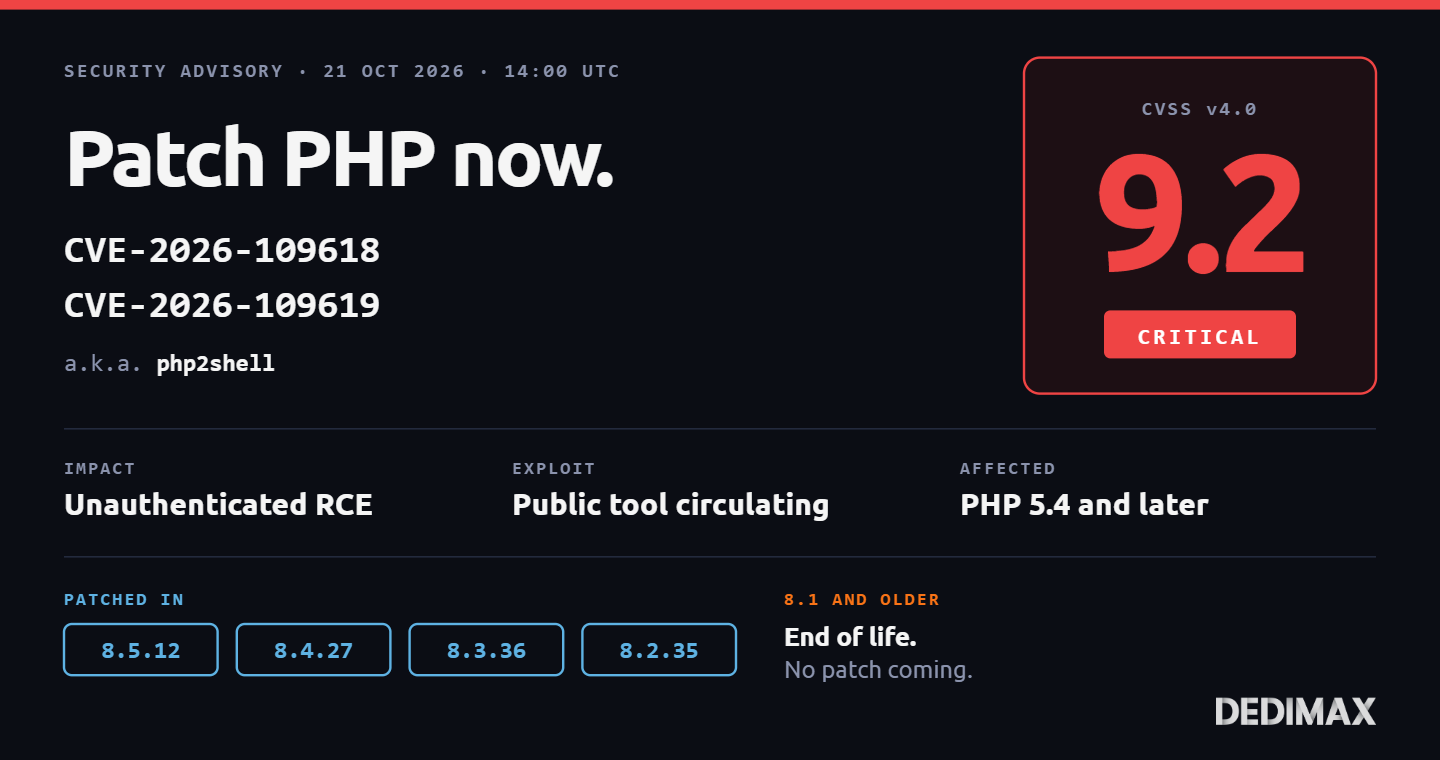
Two critical remote code execution vulnerabilities in PHP were patched today, October 21, 2026 at 14:00 UTC. T...


Almost done ! What’s missing is to save the images in the database and to create express endpoints to recover the images, and the images paginated by tags.
To facilitate our queries to the database, we will use an ODM (Object Document Mapper), so, yes, the term can be scary but in fact it is made to make our life easier, it’s called Mongoose.
We will create a folder db to separate from the rest of the code and in db create a model folder, which symbolizes the format of objects existing in the database:
$ mkdir -p db/modelsInstall Mongoose:
$ npm install --save mongooseFirst, create the model :
//content of db/models/image.js
const mongoose = require('mongoose');
// build the schema
const imageSchema = mongoose.Schema({
path: String,
tags: [String]
});// compile the schema into a model
const Image = mongoose.model('Image', imageSchema);module.exports = ImageThen the connection to the database:
//content of db/index.js
const mongoose = require('mongoose');
const Image = require('./models/image');
// connect the database
mongoose.connect('mongodb://localhost/images');module.exports = ImageAnd finally, the persistence of the data in the api / app.js as well as the routes that will allow us to recover our images:
//content of api/app.js
const express = require('express')
const multer = require('multer')
const clarifay = require('./clarifay')
const fs = require('fs');
const Image = require('../db')
const storage = multer.diskStorage({
destination: function (req, file, cb) {
cb(null, './uploads')
},
filename: (req, file, cb) => {
cb(null, `${Date.now()}.${file.mimetype.split('/')[1]}`)
}
})const upload = multer({ storage })
const app = express()app.post('/photos/upload', upload.array('photos'), (req, res, next) => {
const message = { "data": [] }
req.files.forEach(image => {
fs.readFile(image.path, function (err, data) {
// predict the contents of an image by passing in base 64 encoded file
clarifay
.analyse(new Buffer(data).toString('base64'))
.then(
response => {
const imageObject = {
'path': image.path,
'tags': serialize(response.outputs[0].data.concepts)
}
message.data.push(imageObject)
// save in db
const imageData = new Image(imageObject)
imageData.save()
// if every image has been proccessed send back the response
if (message.data.length == req.files.length) {
res.status(200).send(message)
}
},
err => console.error(err)
);
});
})
})// get all images
app.get('/photos', (req, res, next) => {
Image.find({}, (err, images) => res.send(images))
})// get images by tags
app.get('/photos/:tag', (req, res, next) => {
Image.find({ tags: req.params.tag }, (err, images) => res.send(images))
})// get the tags from the Clarifay API
const serialize = (array) => {
let subjects = [];
array.forEach(function (element) {
subjects.push(element.name)
});
// get only the best of 3 results
return subjects.slice(0, 3)
}module.exports = appIt’s done for this series !! You will find the complete code here
Deploy your own VPS
300+ apps in one click, full root access, ready in minutes.
From 9,99€/mois
Two critical remote code execution vulnerabilities in PHP were patched today, October 21, 2026 at 14:00 UTC. T...
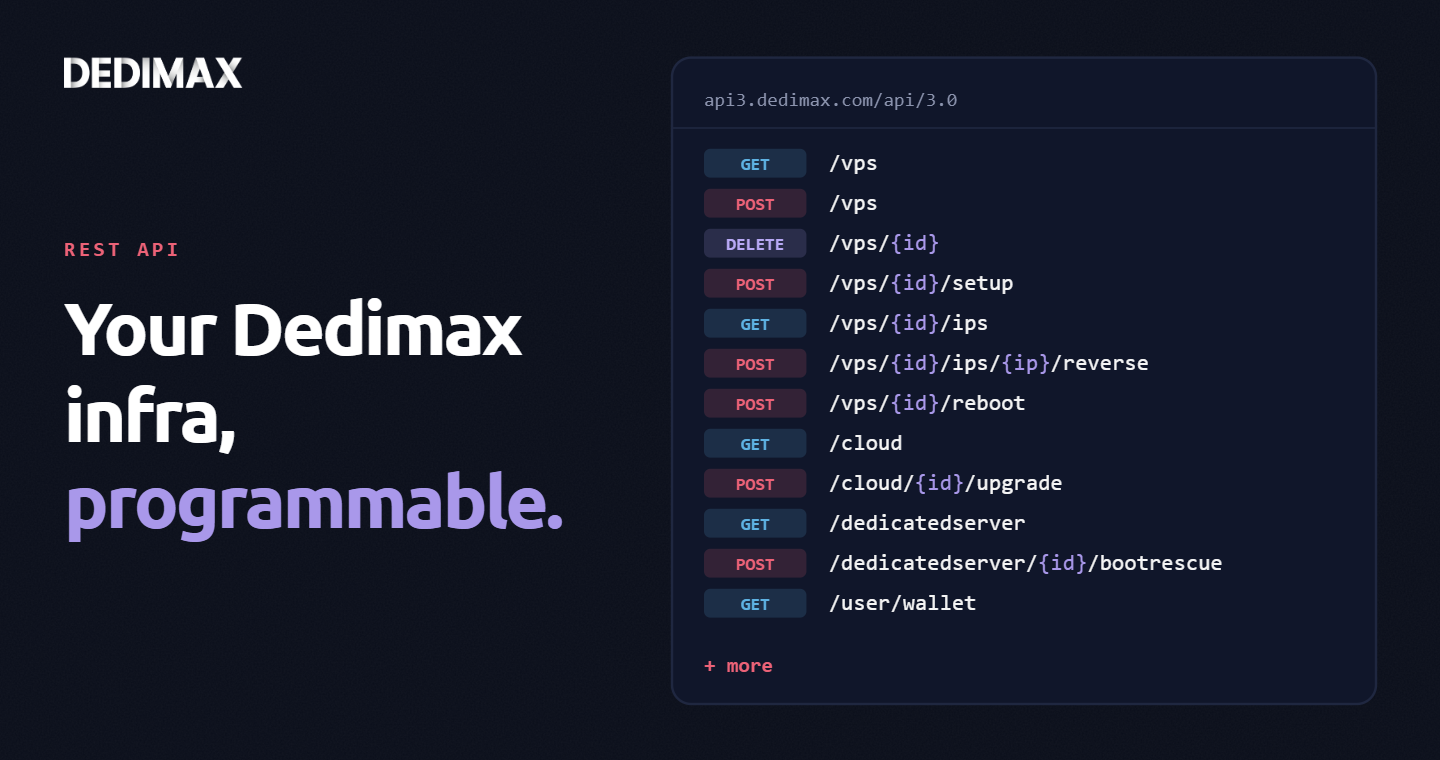
Clicking through a panel to provision a VPS, trigger a reboot, or change a reverse DNS record is fine when you...
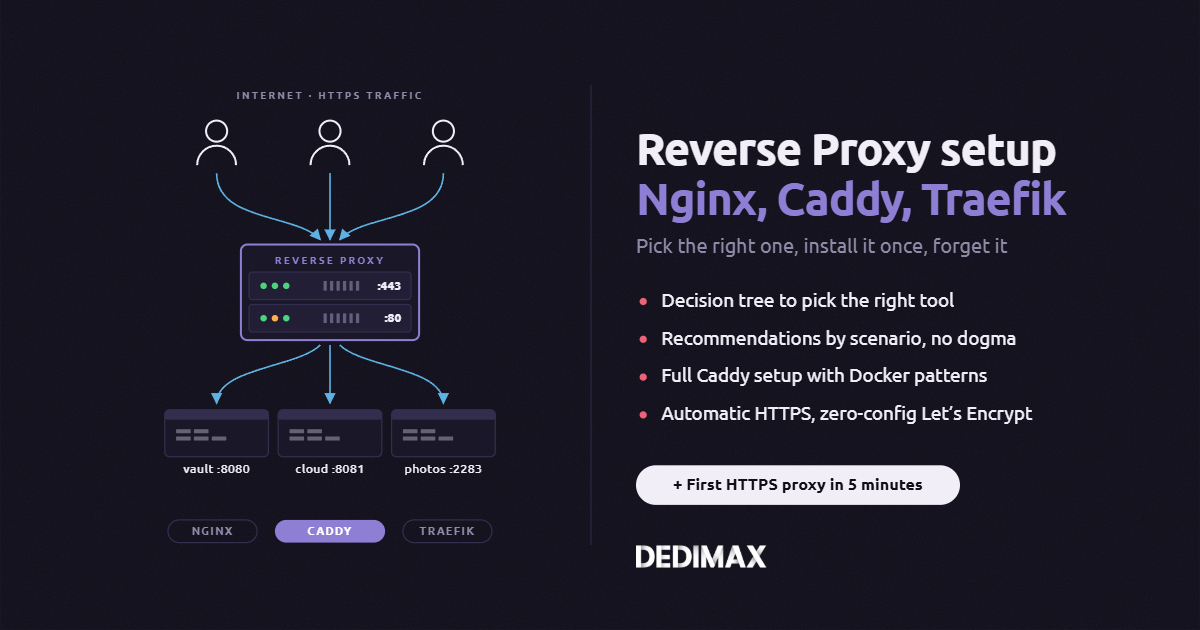
Almost every guide on this blog eventually says "put a reverse proxy in front of it." Vaultwarden needs one. S...
Prenez les manettes de votre serveur dédié (configuration, données hébergées…) sans limites dans l’installation de vos applications.
Alors, vous nous rejoignez quand ?
On vous attend sur notre blog. Guides et tutoriels publiés régulièrement (sysadmin, gaming, devops...) !
ça m'interesse